Kling 3.0 vs Wan 2.6 – Which Chinese AI Video Model Is Better in 2026?

Kling 3.0 and Wan 2.6 (also known as Vidu / ShengShu Wan) are currently the two strongest Chinese-origin text-to-video models widely discussed in the creator community. This comparison focuses on real creative workflows — what you actually experience when you open the prompt box and need to deliver finished work.

Try Kling 3.0 on SeaVerse

Quick Head-to-Head Comparison

A comprehensive side-by-side comparison of key features and capabilities

Aspect Kling 3.0 (2025–2026) Wan 2.6 (ShengShu / Vidu series) Clear Winner (mid-2026)
Native max duration 15 seconds 8 seconds (sometimes 10s in high mode) Kling 3.0
Multi-shot / narrative coherence Strong – real multi-shot logic Moderate – often looks like stitched shots Kling 3.0
Character / subject consistency Very strong across angles & duration Good in simple scenes, clearly weaker in complex Kling 3.0
Lip-sync & native audio Built-in multi-language + emotional lip-sync Very limited / almost none in most modes Kling 3.0
Physics & object interaction Significantly improved (fabric, fluids, gravity) Still frequent artifacts & floating objects Kling 3.0
Cinematic camera understanding Good grasp of dolly, crane, whip pan, rack focus More random, less motivated motion Kling 3.0
Native 4K output True native 4K Mostly 1080p–1440p, 4K usually upscaled Kling 3.0
Motion quality (human & object) Smooth and natural in most cases Often over-smooth or "plastic" look Slight edge to Kling
Generation speed Medium–fast (depends on queue) Usually faster Wan 2.6
Prompt adherence Very good at complex descriptions Sometimes better at artistic / stylistic prompts Tie / slight Wan edge
Post-generation editability Much better when used on platforms like SeaVerse Limited editing options Kling 3.0 + SeaVerse
Commercial usability Full commercial rights on paid plans Generally allowed, but terms vary Tie

1. Storytelling Ability – Duration & Scene Coherence

Kling 3.0

Native 15-second generations with surprisingly strong multi-shot understanding. You can describe a real mini-sequence and often get something that feels like one continuous take rather than glued clips.

Wan 2.6

Maximum 8 seconds in most modes (occasionally 10s). Even when duration is extended, scene transitions and lighting continuity are noticeably weaker than Kling 3.0.

Winner: Kling 3.0 – if you ever need to tell a micro-story instead of just showing a single action.
2. Character & Subject Consistency

Kling 3.0

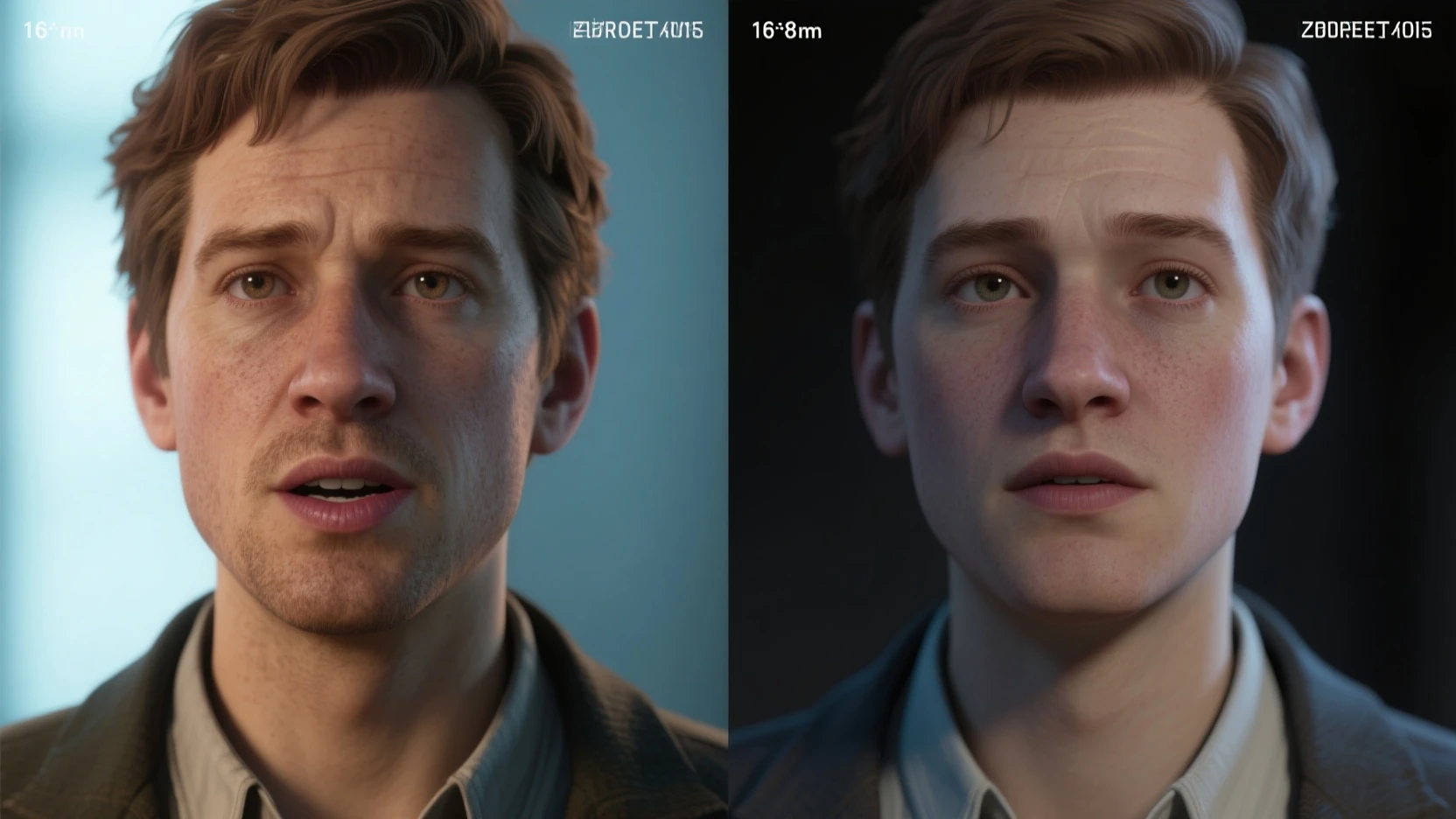
One of its biggest improvements over previous versions. Characters maintain face shape, hairstyle, clothing, and accessories very reliably across different angles and longer durations.

Wan 2.6

Still suffers from more obvious identity drift, especially when the camera moves significantly or the shot lasts longer than ~5 seconds.

Winner: Kling 3.0 – very clear advantage for virtual influencers, short dramas, brand spokespersons.

3. Native Audio & Lip-Sync

Kling 3.0

Built-in multi-language audio generation with natural lip-sync, emotional tone control, multiple accents/dialects, ambient sound, and spatial positioning.

Wan 2.6

No meaningful native audio or lip-sync capability in most public modes (as of mid-2026).

Winner: Kling 3.0 – completely different use-case category if dialogue or voice-over is part of your content.

4. Physics, Motion & Realism

Kling 3.0

Much better fabric behavior, fluid dynamics, gravity, destruction, and object interaction. Camera movements feel more intentional (dolly, crane, rack focus, speed ramping).

Wan 2.6

Physics still show frequent artifacts (floating limbs, unnatural weight, jelly motion). Human movement can look overly smooth or plastic-like.

Winner: Kling 3.0 – more production-ready look.

5. Workflow & Finishing – Where SeaVerse Makes a Difference

Many users discover that the real bottleneck is not generation quality — it's what happens after you get the clip.

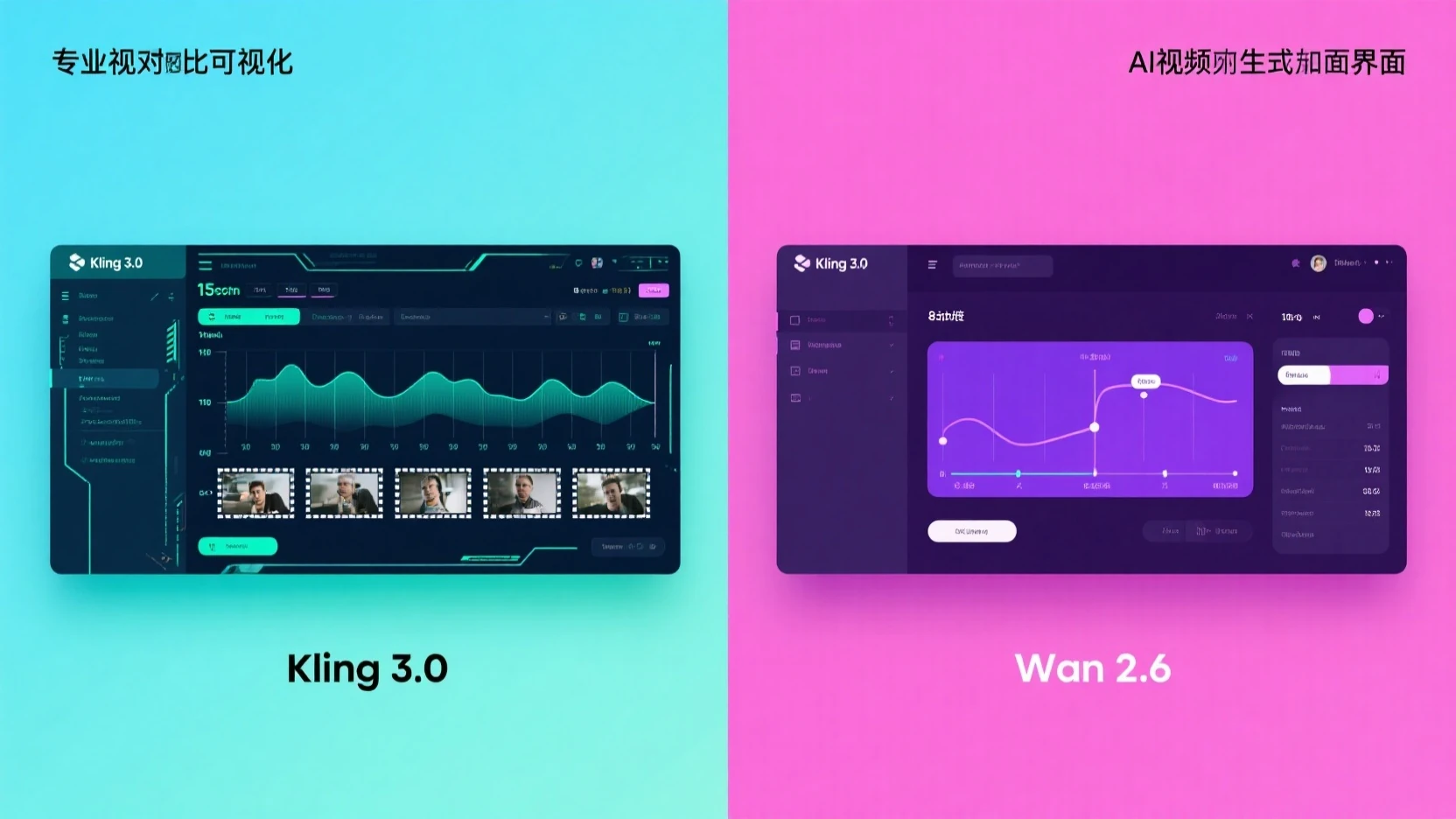
Kling 3.0 outputs benefit significantly from platforms that let you refine rather than restart. SeaVerse, for example, turns the generated video into an editable timeline: you can adjust timing, motion paths, add layers, transitions, and export production-ready assets without breaking your workflow.

Wan 2.6 clips are usually "watch only" — far fewer platforms offer deep post-generation editing for them.

Winner: Kling 3.0 + SeaVerse-style workflow – especially for creators who need to iterate and deliver finished pieces.

Try Kling 3.0 on SeaVerse

Quick Verdict – Which One Should You Choose Right Now?

Choose Kling 3.0 if you need:

  • 15-second coherent sequences
  • Reliable character consistency
  • Native lip-sync & multi-language dialogue
  • More believable physics & cinematic camera motion
  • The ability to refine and finish the video (especially on SeaVerse)

Choose Wan 2.6 if you need:

  • Faster generation speed
  • Sometimes stronger artistic / stylized results
  • You mainly create short aesthetic / motion clips under 8 seconds
  • You don't need audio or strong multi-shot logic

Mid-2026 Summary

For most creators who want to move beyond "cool AI clips" toward short cinematic storytelling with sound and production usability, Kling 3.0 is currently the stronger choice — especially when paired with a workflow-focused platform.

Frequently Asked Questions

Common questions about Kling 3.0 vs Wan 2.6 comparison

Kling 3.0 is significantly better for storytelling. It offers native 15-second generations with strong multi-shot understanding, allowing you to describe real mini-sequences that feel like continuous takes rather than glued clips. Wan 2.6 maxes out at 8 seconds with weaker scene transitions.

No. Kling 3.0 has built-in multi-language audio generation with natural lip-sync and emotional tone control. Wan 2.6 has no meaningful native audio or lip-sync capability in most public modes as of mid-2026.

Wan 2.6 is usually faster in generation speed. However, Kling 3.0's medium-fast speed is balanced by significantly better output quality and fewer regeneration attempts needed.

Yes! SeaVerse supports both Kling 3.0 and Wan 2.6, giving you the flexibility to choose the best model for each project. You can also refine and edit outputs from both models within the same workflow.

For most commercial projects requiring finished, production-ready content with dialogue and longer sequences, Kling 3.0 is the stronger choice. It offers better character consistency, native 4K output, realistic physics, and the ability to refine outputs on platforms like SeaVerse.

Experience Both Models on SeaVerse

SeaVerse gives you access to both Kling 3.0 and Wan 2.6, along with powerful post-generation editing tools. Choose the right model for each project and refine your results to perfection — all in one unified workflow.

Start Creating Today