Kling 3.0 vs Veo 3.1 head-to-head: native audio, multi-shot vs cinematic realism & lip-sync. See real tests on motion, physics, length & quality – which wins for creators in 2026? Read the full breakdown now!
Try Both Models on SeaVerseIn early 2026, Kling 3.0 and Google's Veo 3.1 stand out as two of the most advanced AI video generation models. Kling 3.0 brings fresh innovations with its unified multimodal design, while Veo 3.1 refines cinematic polish and audio precision.
Both models support native audio, realistic motion, and high-quality output, but they shine in different ways. Kling 3.0 emphasizes intelligent multi-shot storytelling and longer clips, while Veo 3.1 excels at precise lip-sync and film-like textures.
The best choice depends on your project: narrative flow or ultra-polished shorts. On SeaVerse, our AI-native all-in-one platform, you can experience both models side-by-side in a seamless workflow—try them with the same prompts to see real differences instantly.

Let's compare the core capabilities that define these two industry-leading models.
Audio integration is a game-changer for both models.
Verdict: Veo 3.1 often leads in strict sync for dialogue-focused videos; Kling 3.0 feels more emotionally alive.
Kling 3.0 takes a clear lead here.
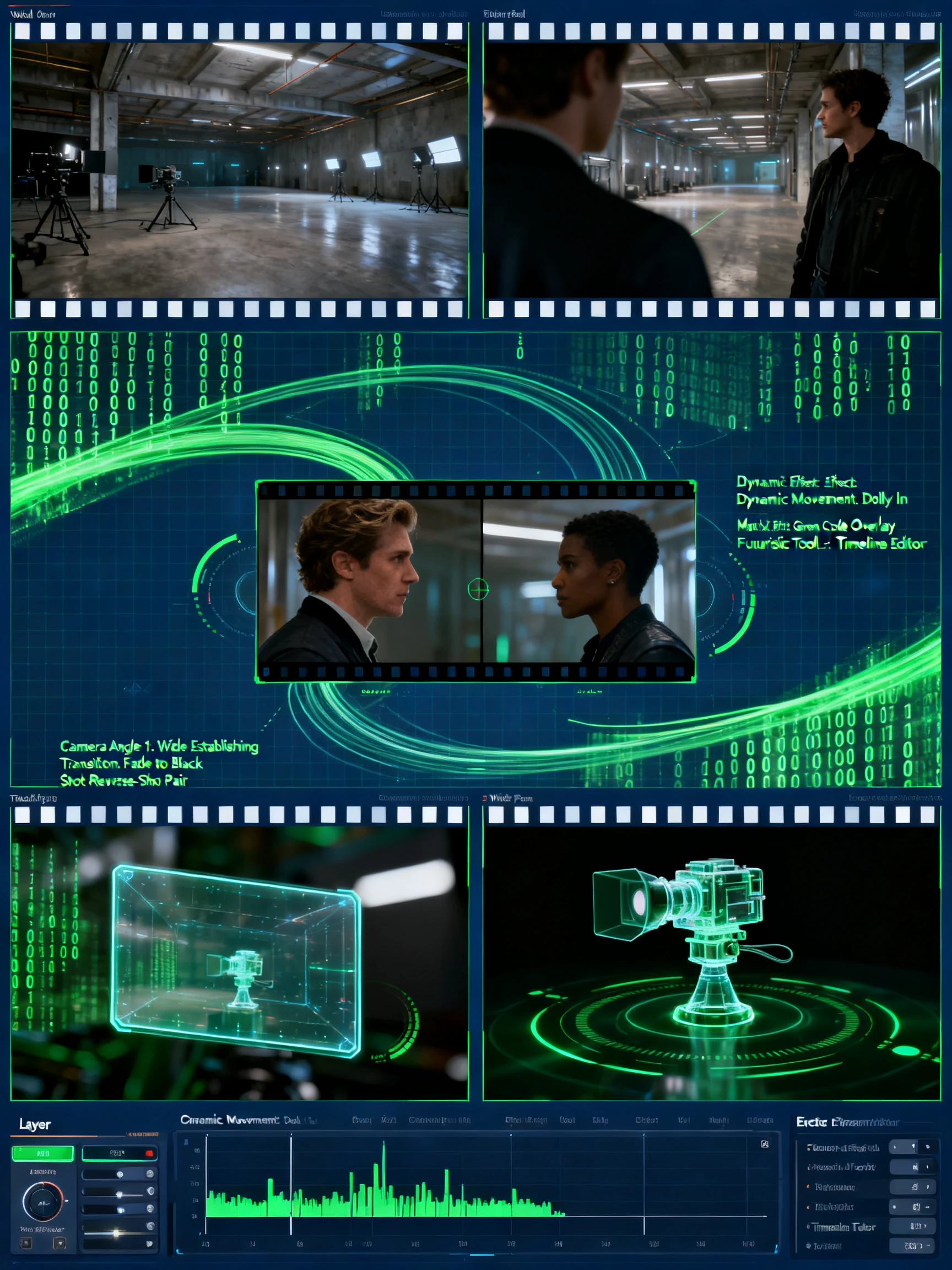
Verdict: Kling 3.0 is superior for coherent storytelling and multi-angle sequences.
Length affects how much story you can create at once.
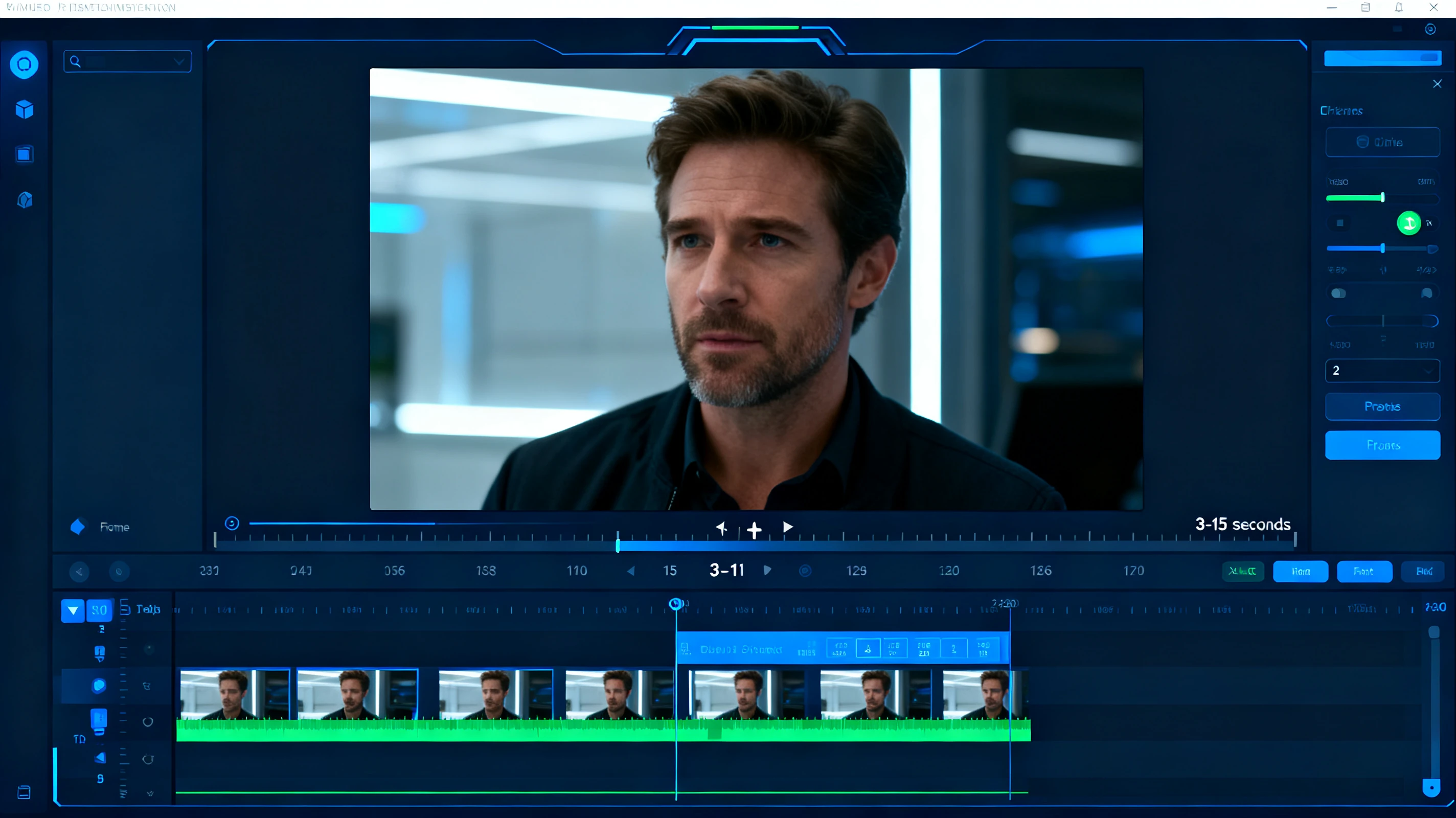
Verdict: Kling 3.0 provides more built-in storytelling space.
Both handle complex scenes impressively.
Verdict: Kling 3.0 wins for dynamic physics and stability; Veo 3.1 for polished cinematic feel.
| Feature | Kling 3.0 | Veo 3.1 |
|---|---|---|
| Native Audio | Emotionally expressive, multi-language | Precise lip-sync, broadcast quality WINNER |
| Multi-Shot | Up to 6 shots, intelligent transitions WINNER | Scene extension via tools |
| Video Length | 3-15 seconds WINNER | ~8 seconds (extendable) |
| Physics & Motion | Advanced physics, high consistency WINNER | Film-like motion blur & lighting |
| Output Quality | Sharp details, native 4K | Cinematic textures, native 1080p+ TIE |
| Best For | Storytelling, dynamic scenes, short films | Marketing, trailers, polished dialogue |
Real creator tests (side-by-side prompts on platforms like YouTube and Instagram) reveal:
No single model dominates—many creators combine strengths based on needs.
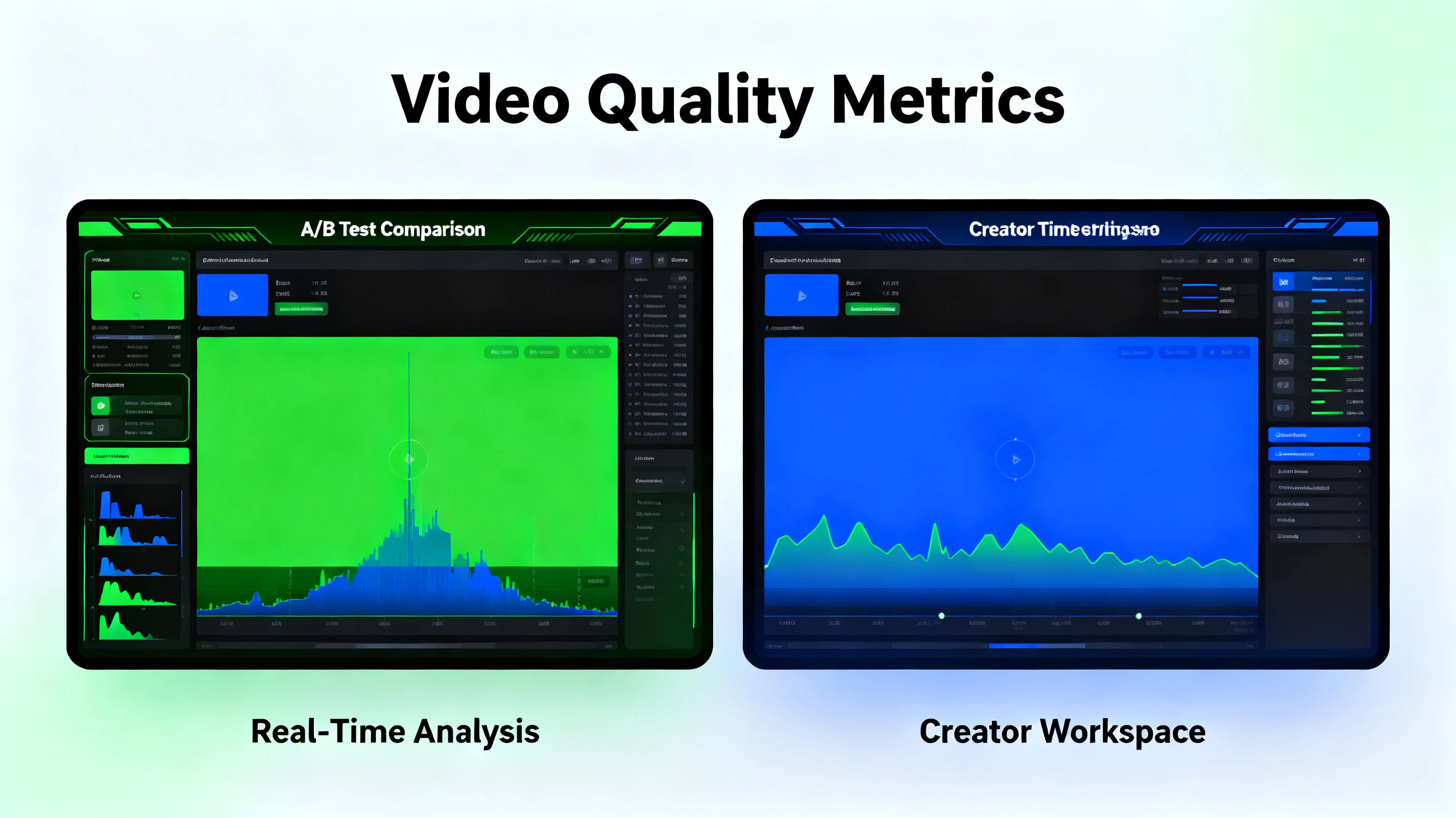
SeaVerse is the ideal platform to compare Kling 3.0 and Veo 3.1 directly.
Access both top models in one platform—no switching platforms or accounts.
Test identical prompts on both models for fair, real-time comparisons.
Enjoy prompt templates, real-time previews, project saving, and 4K exports.
Explore full features without free limits, ensuring high-quality results from the start.
Generate videos, images, music, or interactive elements seamlessly in one platform.
Whether you're a filmmaker testing storytelling tools or a marketer needing polished clips, SeaVerse makes evaluating Kling 3.0 vs Veo 3.1 effortless and productive.
Perfect for storytelling and dynamic content
Ideal for polished professional content
Both represent 2026's cutting edge. The easiest way to decide? Log in to SeaVerse, run the same prompt on both, and see what fits your vision.
Common questions about Kling 3.0 vs Veo 3.1 comparison
Yes! SeaVerse provides unified access to both models in one platform. You can easily switch between them and compare results side-by-side with the same prompts.
Veo 3.1 typically excels in strict lip-sync accuracy and broadcast-quality dialogue. However, Kling 3.0 offers more emotional expressiveness. Try both on SeaVerse to see which suits your specific dialogue style better.
Kling 3.0 is the clear winner for multi-shot storytelling with its native support for up to 6 shots per generation, intelligent transitions, and dynamic camera movements—perfect for narrative-driven projects.
Kling 3.0 supports flexible 3-15 second videos in a single generation. Veo 3.1 typically generates ~8-second clips but can be extended through additional tools on the SeaVerse platform.
Both models deliver high-resolution output. Kling 3.0 offers native 4K with sharp details, while Veo 3.1 provides native 1080p+ with cinematic textures and film-like quality. Both are available on SeaVerse with premium export options.
Absolutely! Many creators use Kling 3.0 for multi-shot narrative sequences and Veo 3.1 for polished dialogue closeups, then combine them in post-production. SeaVerse's unified workflow makes this process seamless.
The AI video race is heating up—experience both Kling 3.0 and Veo 3.1 on SeaVerse and unlock the best of both worlds. Test identical prompts, compare results in real-time, and discover which model fits your creative vision.
Try Both Models Now